Day 2. Stage 3 & 4. Beilen-Orvelte (26.5 km)
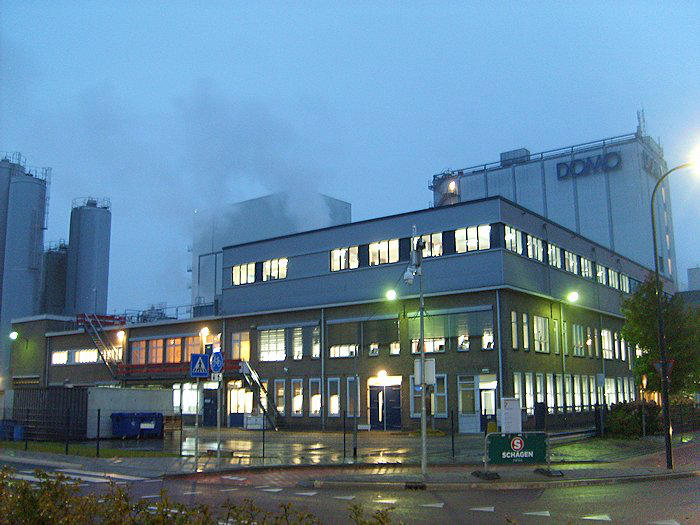
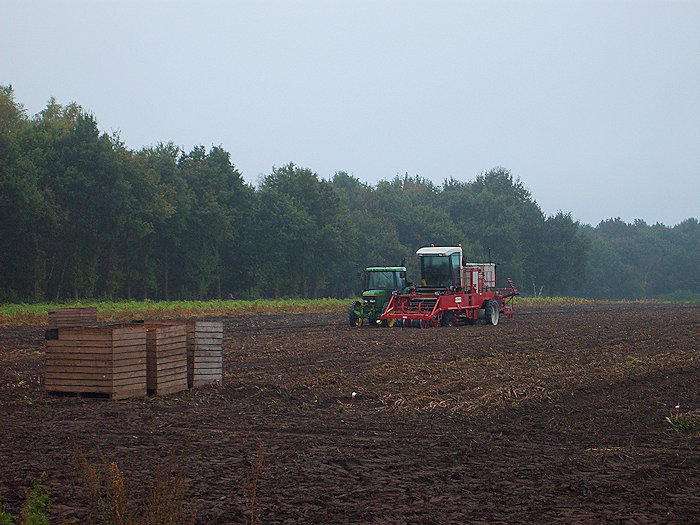
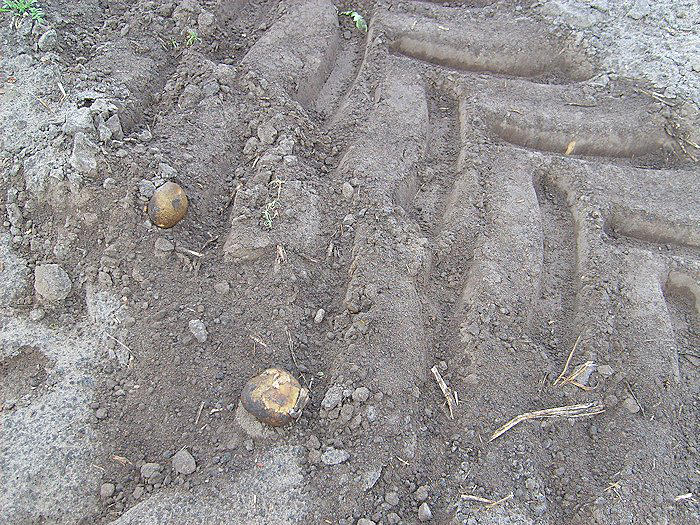
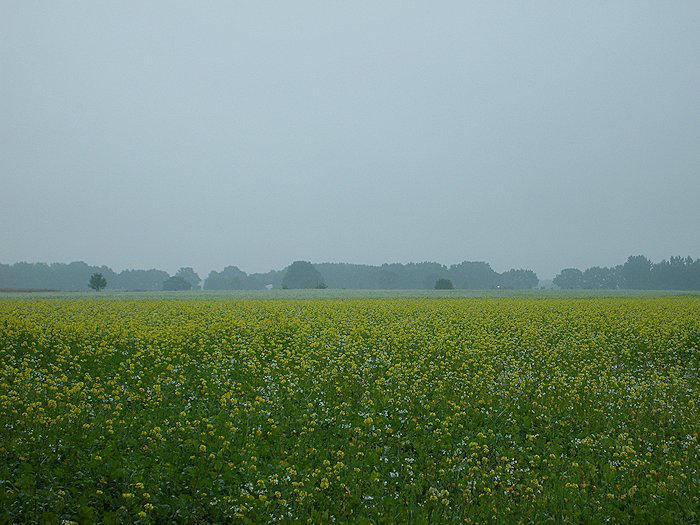
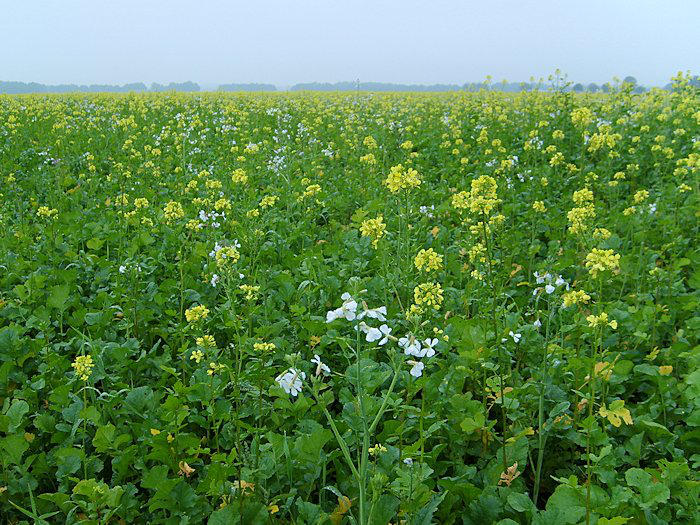
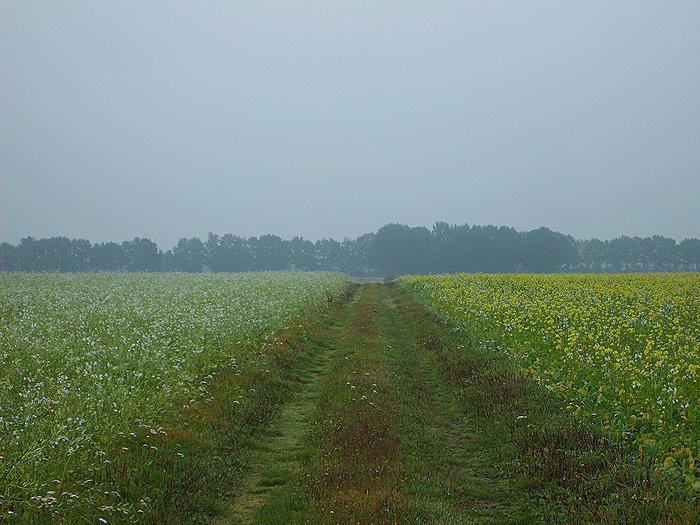
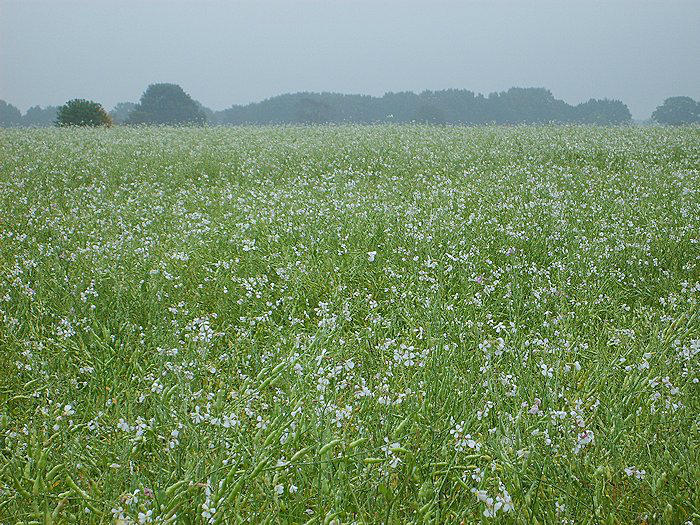
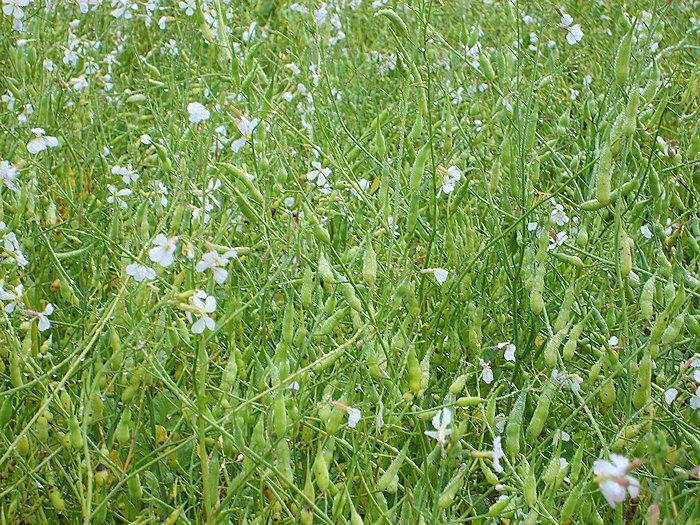
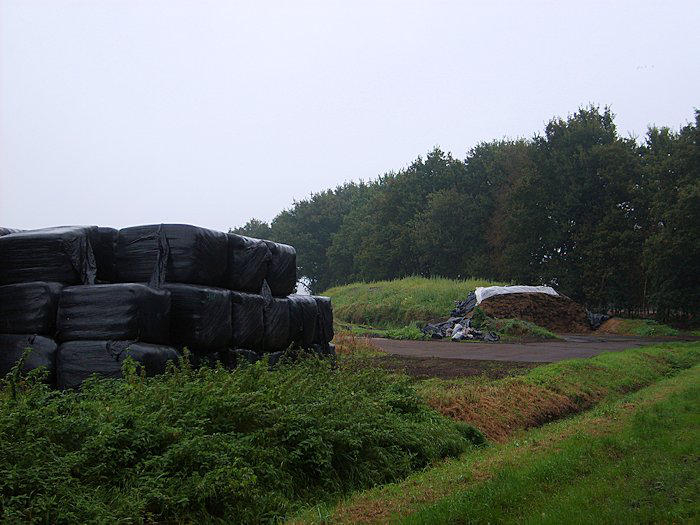
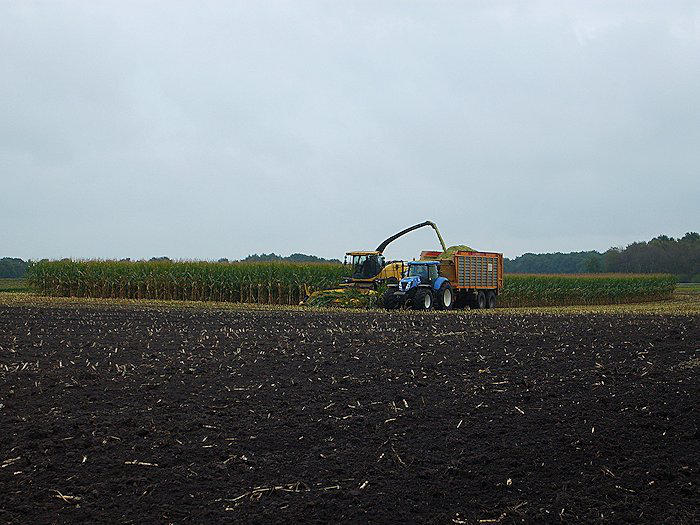
Started where I had finished last time: at Beilen station. Early in the morning like this, the DOMO factory, with all its steam and lighting, has a special atmosphere. Mud tracks and maize pulp on the road. Many fields with maize stubble. Others are freshly ploughed. You can smell the soil. Past the Holterzand, two beautiful fields with yellow and white little flowers. It smells wonderful. A camera really ought to have a smell button. Back home, Google and Wikipedia tell me that the yellow and white little flowers are yellow mustard and oilseed radish. The latter is a soil improver. Yellow mustard sown together with oilseed radish is probably meant as a soil improver too. Against the beet cyst nematode! So sugar beets are normally grown here!
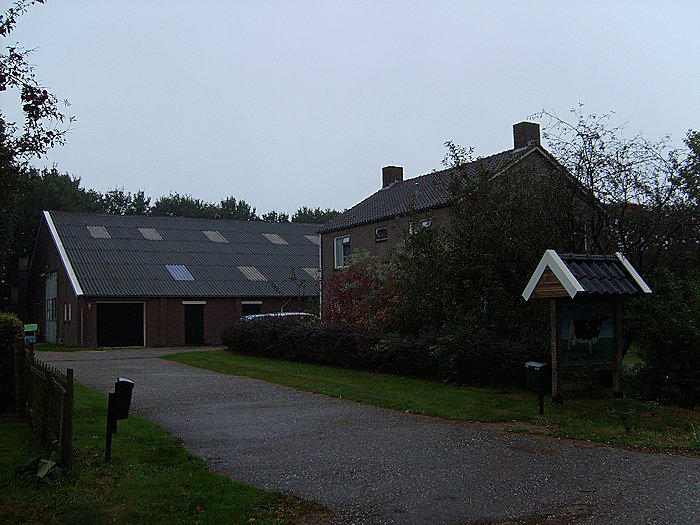
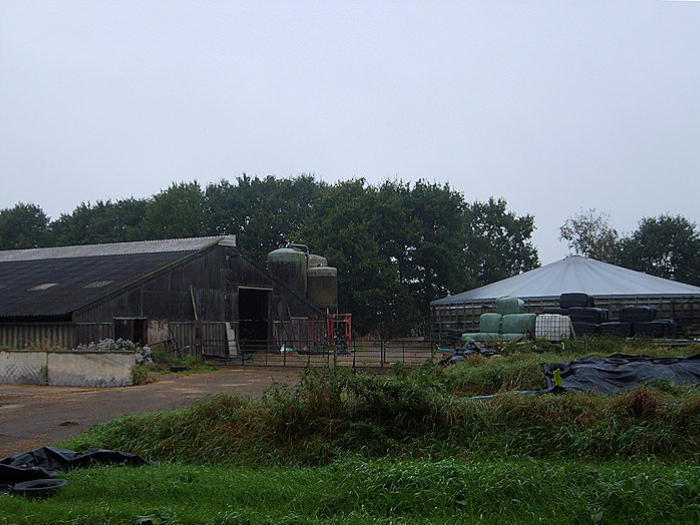
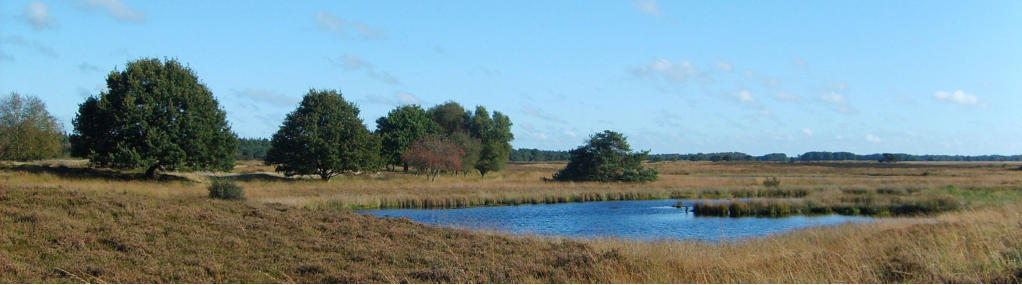
The area around the Scharrelveld is one of the last pieces of wild nature in the Netherlands to be reclaimed. The reclamation farms date from 1966. A completely different type of building from the farms of the period before. Several plots have been turned back into nature. The rising nature organisations blocked part of the reclamation at the time, and what had been reclaimed turned out to be too wet.
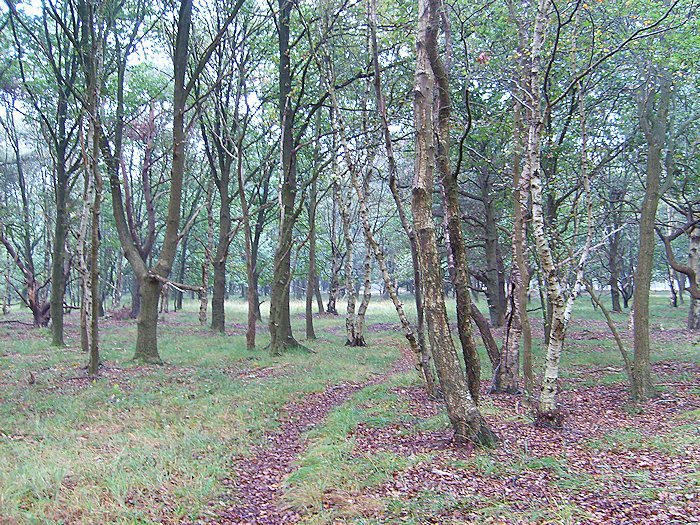
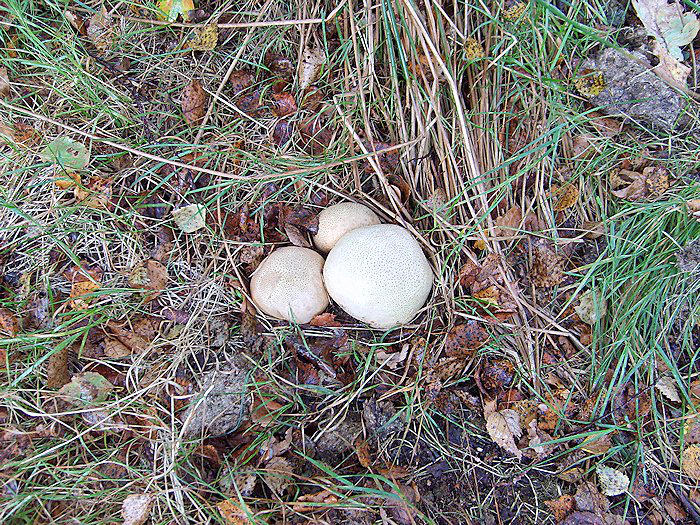
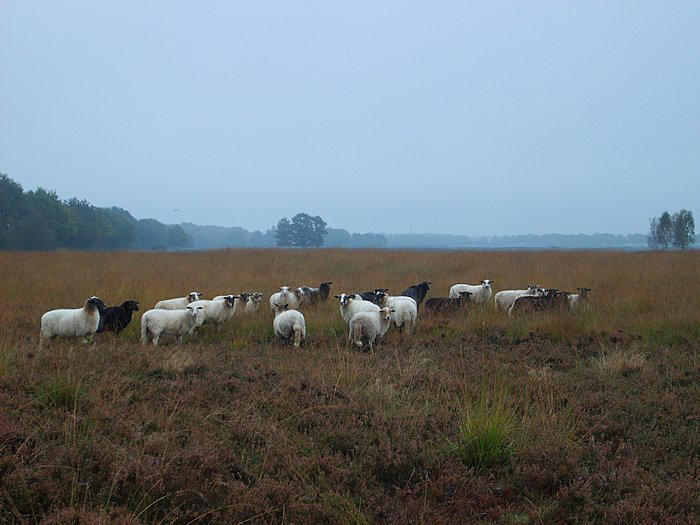
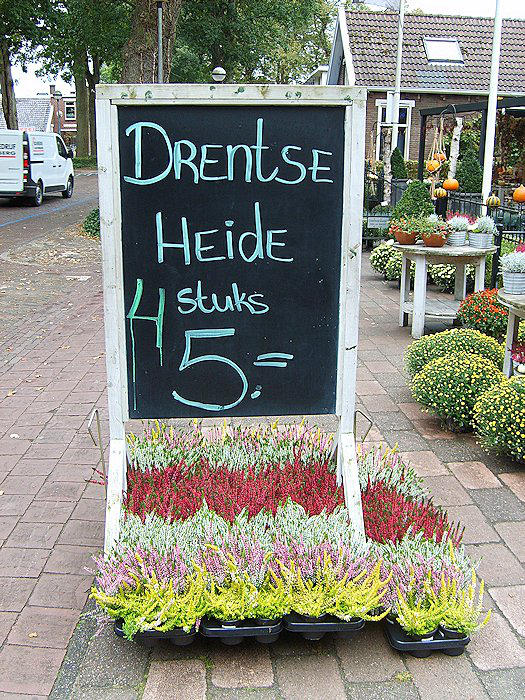
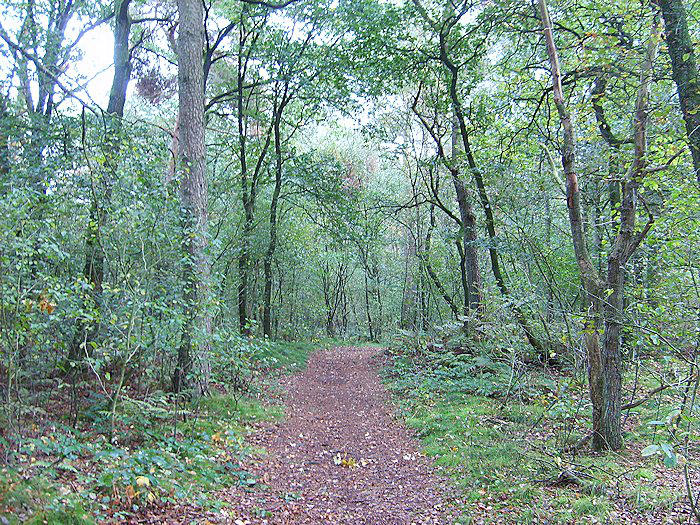
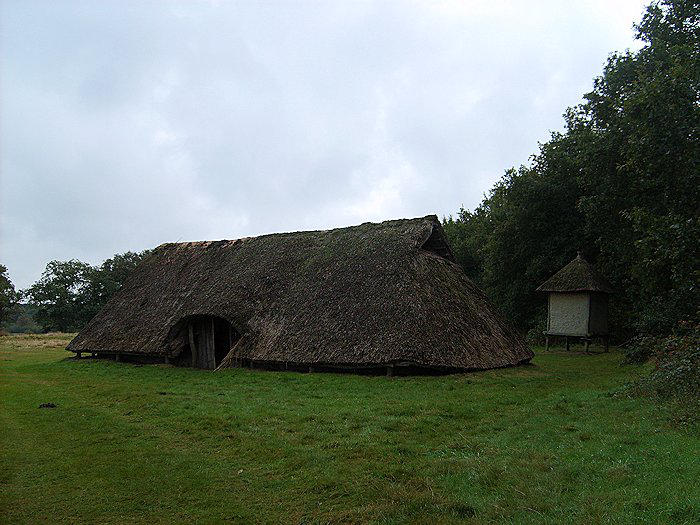
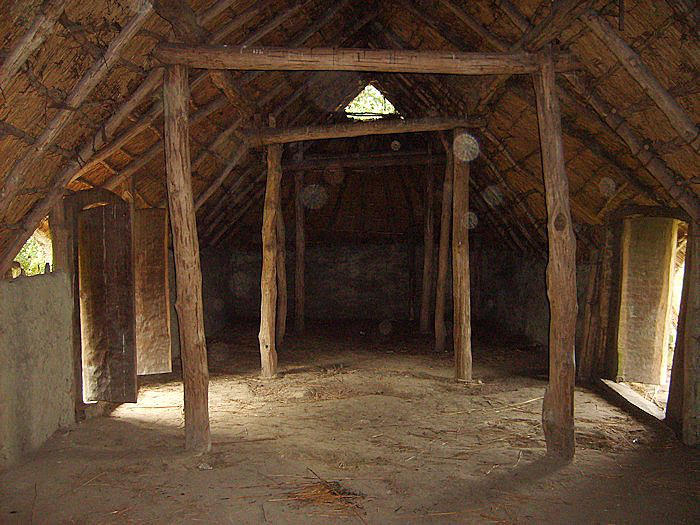
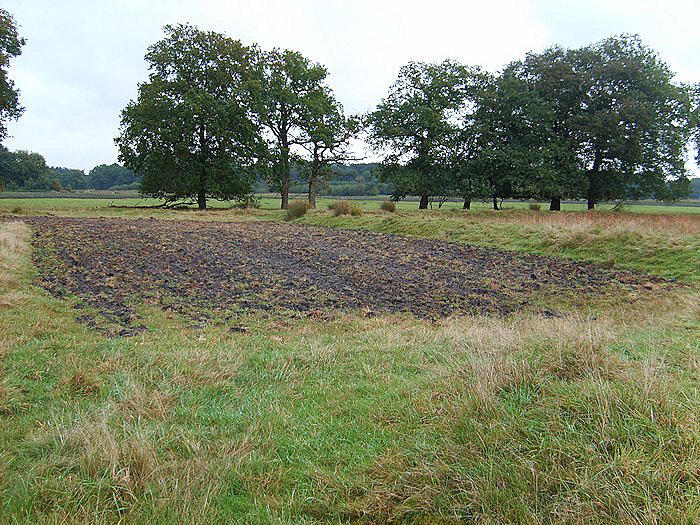
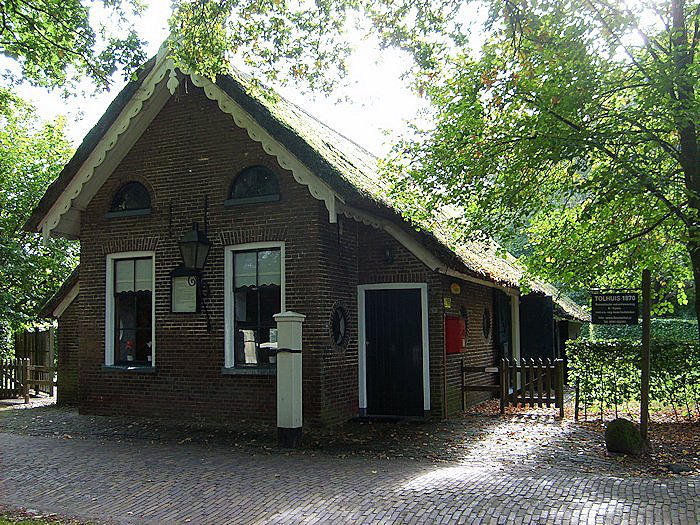
In the forests you can see the start of autumn. Birch trees are clearly changing colour and the first leaves are already on the ground. Oaks are not there yet. Here and there mushrooms that lie there like abandoned birds’ nests. Westerbork clearly has a central function for the surrounding area. The businesses there know how to sell Drenthe. I wonder, by the way, how they get those little colours on the heath. Just before the museum village of Orvelte a prehistoric farm has been rebuilt. They have also reconstructed the little fields of that time. What would it be? A 30 by 30 metres? They were called raatakkers (Celtic fields). In café Warmolds I treated myself to a cup of hot soup. That went down well.